A Comprehensive Guide to Online ADHD Self-Assessments for Adults
- 8 December 2025

Understanding Adult ADHD and the Role of Digital Screeners
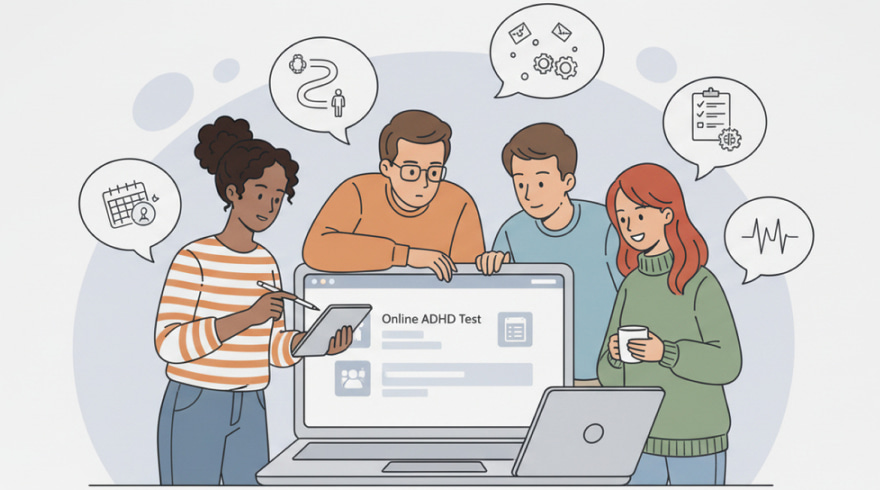
Adults often navigate responsibilities with an invisible load of distractibility, time blindness, and impulsive decisions that can masquerade as burnout or anxiety. Because symptoms present on a spectrum, many people struggle for years without naming the pattern or understanding why standard productivity hacks keep failing. Self-assessments provide an approachable doorway to reflection, helping you organize experiences into recognizable domains such as inattention, hyperactivity, executive function, and emotional regulation. Rather than replacing a professional evaluation, a quality screener can clarify whether further steps are warranted and which functional areas deserve attention first.
Motivation to investigate usually comes from day-to-day friction at work, in relationships, or with health maintenance, and a gentle starting point can lower the barrier to action. Many adults start by exploring tools described as online ADHD testing for adults, because a quick screener feels less intimidating than scheduling an exam. That initial nudge is valuable, especially when procrastination or decision paralysis already complicates follow-through. By converting vague frustration into structured signals, a well-designed questionnaire gives language to experiences that were previously hard to explain to colleagues, family, or a clinician.
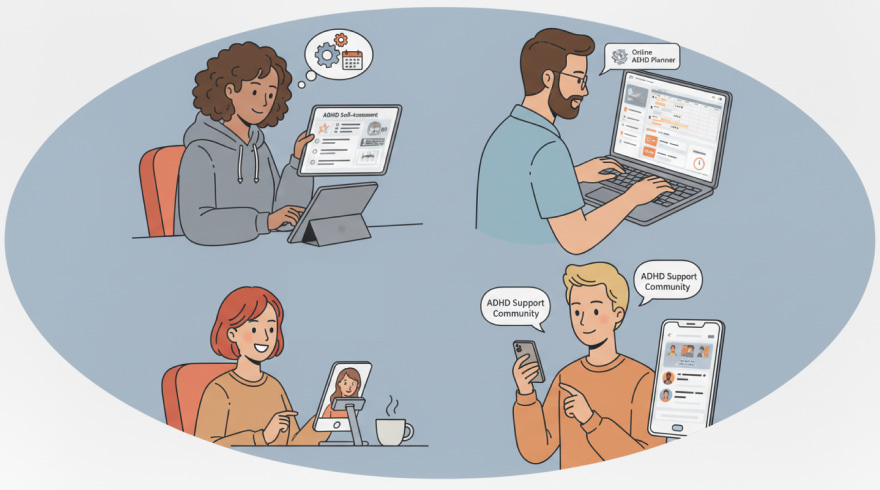
Another reason people begin with digital screeners is the clarity of immediate feedback, which helps transform curiosity into a plan. Before committing to a full diagnostic pathway, some people try a brief checklist through ADHD online testing to gauge whether their patterns merit deeper evaluation. Early insight can encourage healthier habits, like externalizing tasks, preparing “if-then” routines, or simplifying calendars, while you explore whether formal care is the right next step. A considered approach anchors momentum without overpromising a diagnosis that only a trained professional can provide.
How Online ADHD Assessments Work, Step-by-Step
Most reputable screeners draw from validated checklists used in clinical contexts and adapt them into user-friendly flows. You’ll typically encounter a series of statements about attention, impulsivity, organization, emotional lability, and restlessness, each rated by frequency or severity. The best tools explain that results indicate likelihood rather than certainty, and they caution against self-diagnosis. They also describe how environment, sleep, mood, and trauma can influence scores, emphasizing that context matters as much as symptom counts. Finally, trustworthy sites outline how they store data, whether responses are anonymized, and if any third parties receive aggregated metrics.
Scoring and interpretation vary by platform, yet common elements make the experience familiar across websites. Most platforms group items into clusters that mirror clinical criteria, and you will usually see clear instructions that distinguish educational screeners from ADHD testing online performed by licensed clinicians. After submission, results are categorized into ranges that suggest low, moderate, or high likelihood, along with suggestions for documentation you might prepare if you choose to pursue a formal evaluation. An accessible design, readable explanations, and disclosures about limitations signal a platform that respects users rather than merely chasing clicks.
| Component | What it gauges | Typical time | Why it matters |
|---|---|---|---|
| Symptom checklist | Frequency of inattentive and hyperactive behaviors | 5–10 minutes | Offers a structured snapshot of everyday challenges |
| Functional impact | Work, relationships, finances, driving, health routines | 3–7 minutes | Connects symptoms to real-life outcomes |
| Comorbidity screen | Mood, anxiety, substance use, sleep hygiene | 5–8 minutes | Flags conditions that can mimic or amplify symptoms |
| Recommendations | Next steps, documentation tips, clinician types | Instant | Transforms results into an actionable roadmap |
Adults should also remember that developmental context influences interpretation across age groups. Content for younger users is structured differently than guides referencing online ADHD testing for children, which is important when adults compare norms and thresholds. Because impairment manifests through different responsibilities, like managing a complex job instead of homework, adult-oriented screeners must assess planning horizons, working memory under pressure, and consistency over time. When in doubt, choose a tool explicitly designed for your life stage rather than repurposing materials meant for caregivers or teachers.
Benefits, Limits, and What Screeners Can, and Can’t, tell You
Digital self-assessments bring speed, privacy, and accessibility to a topic that historically required long waitlists and paperwork. Immediate scoring can validate struggles and spark conversations with partners or managers about accommodations. The ability to pause, resume, and retake under calmer conditions reduces performance anxiety and captures a more typical baseline. Cost is a major draw, and some libraries or nonprofits host links to free online testing for ADHD that introduce symptom domains without collecting identifiers. In parallel, clear disclaimers and evidence links allow motivated readers to explore methodology and understand what a screener measures versus what a clinician evaluates.
No online instrument can substitute for a clinician who integrates history, collateral reports, and differential diagnosis. Overreliance on binary cutoffs may miss nuance, and self-report bias can tilt results depending on mood or memory. If budget is tight, directories may highlight reputable options that advertise free ADHD testing online while still publishing privacy policies and scoring methods. Always consider comorbidities such as depression, sleep apnea, or thyroid disorders, which can present with similar concentration issues. A balanced perspective treats screeners as signposts, not verdicts, guiding you toward a tailored next step.
To get the most from any assessment, plan ahead with situational examples across work, home, and social contexts. Include both strengths and friction points, and note how routines, caffeine, or exercise shape your focus window. If possible, gather input from a partner or colleague who sees you in different settings, since third-party observations can counteract blind spots. This preparation shortens later appointments, sharpens the clinical picture, and prevents the common trap of over-weighting one particularly difficult week.
How to Choose a Reliable Platform and Protect Your Privacy
Selecting a trustworthy resource starts with transparency. Credible sites name their source instruments, cite validation studies, and explain how cut scores were determined. Look for clear language about data retention, cookie policies, and whether your responses will be used for marketing or research. Look for transparent methods rather than splashy badges that promise free online ADHD testing, because substance matters more than slogans. You’ll also want to see details about accessibility features, keyboard navigation, dyslexia-friendly typography, and mobile compatibility, to ensure accurate answers regardless of device or reading profile.
Beyond methodology, examine the site’s editorial oversight and clinical leadership. SEO labels that mimic phrases such as online testing ADHD can be marketing artifacts, so judge the site by methodology and citations. Review whether the platform offers culturally responsive guidance, acknowledges gender and age differences, and discusses how masking or coping strategies may alter scores. Finally, check if the site provides meaningful next steps, like sample emails for contacting a clinician, documentation templates for workplace accommodations, or pointers to community support, so that your momentum doesn’t stall after viewing results.
- Verify authorship and credentials, not just logos and testimonials.
- Prefer tools with reliability and validity statements in plain language.
- Confirm encryption, data minimization, and an option to delete your record.
- Assess usability: short pages, progress indicators, and save-and-resume features.
- Look for balanced guidance that includes when to seek in-person care.
Interpreting Scores and Turning Insight Into Action
Scores are a starting line, not a finish. Map your results to real situations: Where does time slip, what triggers impulsivity, and which tasks collapse without external structure? Draft small experiments that address friction points, then iterate weekly to track signal from noise. Collaborative care models now blend digital triage with clinics offering online ADHD testing and treatment, creating a smoother handoff from screening to care. If your results align with daily hurdles, schedule a comprehensive evaluation and bring examples, timelines, and any third-party observations to accelerate the process.
Insurance coverage, employer benefits, and local regulations shape the route you take after an initial screener. When cost is decisive, confirm what is included if a page advertises online ADHD testing free, because some sites gate full reports behind email walls or trials. While waiting for an appointment, you can trial environmental tweaks: reduce friction with single-click bookmarks, batch similar tasks, and protect your peak-focus window. If sleep, mood, or stress is unstable, stabilize those inputs first; clearer baselines make assessments more accurate and interventions more effective.
- Prepare a one-page summary linking symptoms to functional impacts at work and home.
- List prior strategies you tried, with notes on what helped and what didn’t.
- Bring a concise history of schooling, major life transitions, and any head injuries.
- Ask about multimodal support: education, coaching, therapy, and medication when appropriate.
- Plan follow-ups to fine-tune interventions as responsibilities or environments change.
FAQ: Common Questions About Adult ADHD Screeners
Are online self-assessments legitimate tools for adults?
They can be a useful first step when they cite validated instruments, disclose limitations, and respect privacy. Reputable screeners translate clinical constructs into approachable language while reminding users that only a clinician can diagnose. Some platforms include decision trees and resource maps that point toward specialized providers rather than generic directories, which strengthens their utility beyond curiosity alone.
How much do these assessments typically cost?
Prices range from no-cost checklists to subscription bundles that package education and coaching. Many people start with ultra-brief tools and then upgrade to more comprehensive assessments if the results suggest elevated likelihood. You may encounter directories that reference ADHD testing online free in promotional copy, but always verify what deliverables are included before you share personal details.
What should I do if my score suggests a high likelihood of ADHD?
Document concrete examples of impairment across multiple settings and gather brief observations from someone who knows your daily routines. Next, book a qualified clinician who can rule out overlapping conditions and provide a holistic plan. Bringing organized notes, timelines, and any past evaluations will make the appointment more efficient and reduce the chance of incomplete information derailing the process.
Is it safe to rely on a screener without seeing a professional?
Self-assessments are designed for education and orientation, not for final decisions about diagnosis or medication. They help you decide whether it’s worth pursuing an evaluation and what questions to ask when you get there. Educational tools can narrow uncertainty, yet they cannot replace history-taking, differential diagnosis, and risk assessment performed by a licensed clinician.
How do I find high-quality resources without getting lost online?
Start by prioritizing sources that show citations, authorship, and clear data policies, then evaluate usability and practical next steps. Community organizations, universities, and professional associations often curate lists with reliable options. When evaluating directories, be wary of sites that focus more on buzzwords like testing for ADHD online than on transparent methodology and evidence.
Latest News
-
![Online ADHD Test for Adults: Benefits and Next Steps]()
- 9 December, 2025
-
![Ultimate Guide to Free ADHD Self-Screening: How to Use Digital Tools Wisely]()
- 5 December, 2025
-
![Comprehensive Guide to Online Adult ADHD Diagnosis and Care]()
- 4 December, 2025