Ultimate Guide to Free ADHD Self-Screening: How to Use Digital Tools Wisely
- 5 December 2025
What ADHD Self-Screeners Are and When They Help
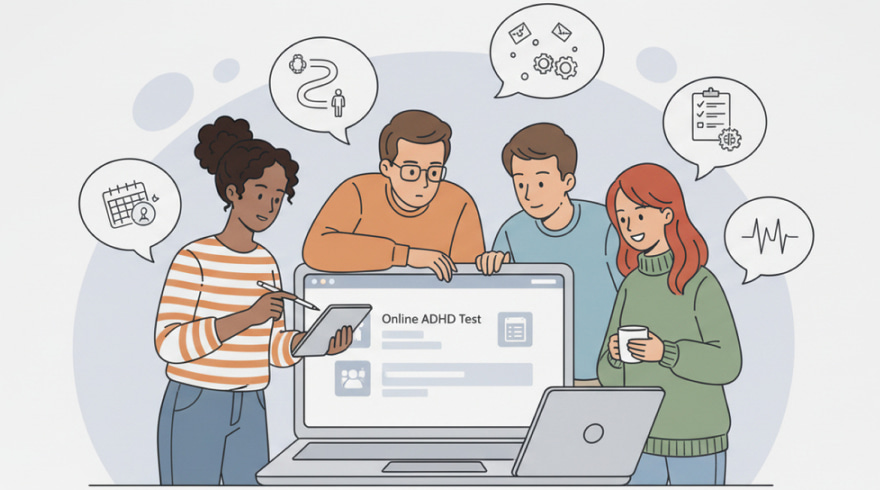
Attention-deficit/hyperactivity disorder can affect focus, planning, and self-regulation across school, work, and relationships. Online screeners translate symptom criteria into short, plain-language questionnaires that people can complete in minutes. These tools don’t diagnose a condition, but they spotlight patterns related to inattention, hyperactivity, and impulsivity that may merit a professional conversation. Because they are quick and accessible, they lower barriers for people who are unsure whether their challenges align with recognized symptom clusters.
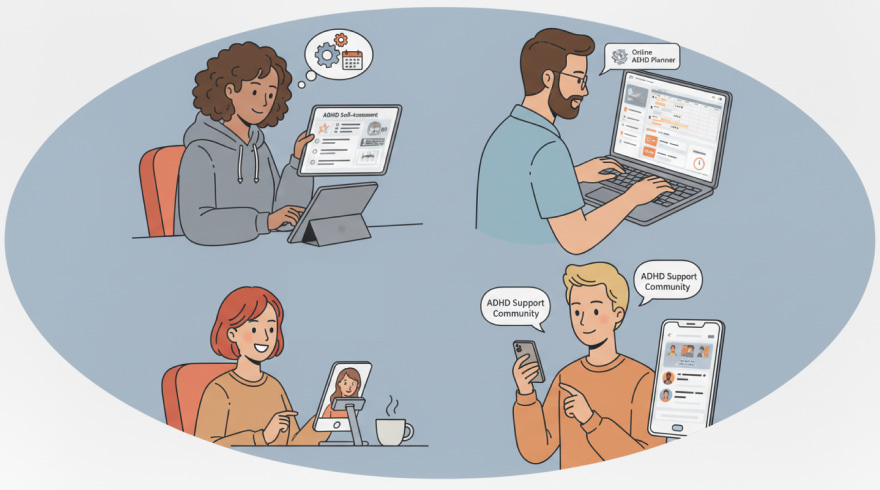
Plenty of users start with general curiosity before seeking any appointment, and they want a low-pressure way to take stock of daily struggles. In that discovery phase, a free online test for ADHD can provide structure by mapping behaviors to validated criteria without cost or scheduling hurdles. Thoughtful reflection on each item often prompts people to recall concrete examples from work, school, or home that make patterns more visible.
For others, the goal is simply to articulate concerns clearly when contacting a clinician. In that scenario, an ADHD free online test offers a neutral framework to organize notes about frequency, severity, and impact, which can then guide a more efficient evaluation. The best approach is to treat the score as a starting point and combine it with history, collateral input from loved ones, and context like sleep, stress, and coexisting conditions.
- Screeners highlight patterns; professionals confirm diagnoses.
- Results are snapshots, not full neuropsychological assessments.
- Context, consistency, and functional impact matter more than a single number.
How Online ADHD Screeners Work and What They Measure
Most digital questionnaires adapt established rating scales into a user-friendly flow. Items are anchored to real-life behaviors, such as losing track of tasks, missing details, fidgeting, or interrupting others. Respondents select frequency options (for example, never to very often) that feed a scoring algorithm. Higher totals indicate more pronounced symptom patterns, but cutoffs vary between instruments and age groups. Some tools additionally ask about onset and impairment, which are central to clinical criteria, while others keep to a narrower symptom inventory.
One frequently referenced instrument for adults emphasizes brevity and strong validity across settings. In many resources, the ASRS ADHD test online free format appears as six quick questions that serve as a reliable screener, with extended forms available for a deeper look. The concise style helps people complete it accurately without fatigue, supporting better recall and fewer skipped items.
For younger populations and caregiver input, derivative tools based on established pediatric frameworks are common. Parents sometimes encounter a Conners ADHD test online free style of checklist that captures behaviors across home and school, giving a rounded view of functioning. When possible, collecting ratings from multiple observers helps reduce bias and clarifies whether patterns persist across environments.
| Instrument | Best For | Length | Focus | Typical Time | Notes |
|---|---|---|---|---|---|
| ASRS (Adult) | Adults 18+ | 6–18 items | Inattention, hyperactivity/impulsivity | 2–5 minutes | Strong screening utility; short version boosts completion |
| Conners-based Checklists | Children/Adolescents | 20–45 items | Behavior across home/school | 5–10 minutes | Multiple raters (parent/teacher) improve insight |
| SNAP-IV | School-age children | 18–26 items | Core symptoms and severity | 5–8 minutes | Simple Likert ratings; easy to track over time |
Scoring conventions typically adjust for age, sometimes for sex, and occasionally for context. High-quality screeners explain what a score means, what it does not mean, and when to consider a professional consultation. Clear guidance helps people interpret outcomes responsibly rather than drawing sweeping conclusions from a single questionnaire.
Benefits and Limitations of Digital ADHD Screening
Online screeners shine when someone needs a quick read on whether symptoms resemble recognized patterns. They deliver speed, convenience, and privacy, which are especially helpful for busy adults and caregivers juggling many responsibilities. Properly designed tools reflect clinical criteria faithfully, improving accuracy compared with unstructured self-judgment. However, no brief questionnaire can substitute for a full evaluation that considers differential diagnoses, development, and comorbidities like anxiety, depression, or sleep disorders.
Early insights matter for many people who might otherwise delay care for months. In that early stage, a free ADHD test online can catalyze help-seeking by making invisible struggles visible enough to discuss with a provider. The key is to treat the output as a directional indicator, not a definitive label, and to pair it with functional examples from daily life.
Even the best instruments have blind spots, such as context effects or response bias. To keep expectations realistic, those exploring options should remember that an ADHD testing online free pathway addresses only part of the diagnostic picture. Complementary steps, sleep screening, substance use review, cognitive history, and learning assessments, round out the understanding of attention challenges.
- Strengths: access, speed, cost, and standardized questions.
- Limits: no physical exam, no collateral interviews, and no rule-outs.
- Best use: as a first step that informs a plan with a professional.
Interpreting Results and Planning Next Steps
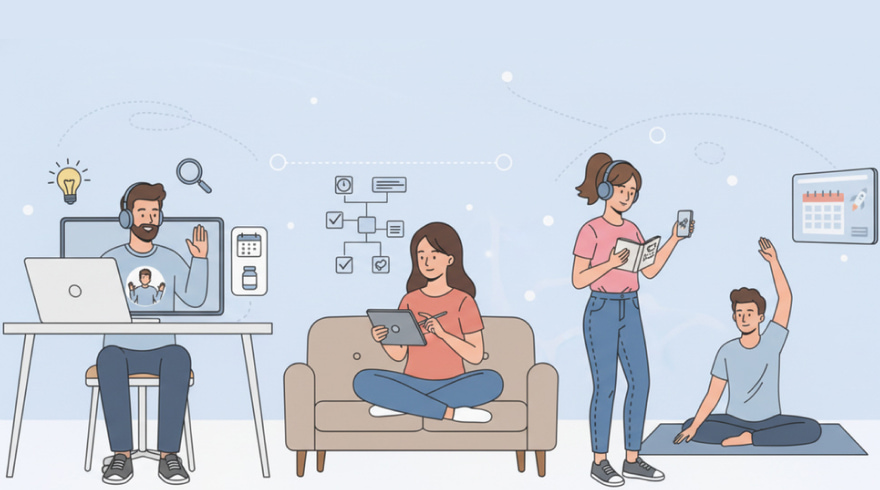
After receiving a score or category, it helps to translate the result into daily functioning. Consider where difficulties show up: starting tasks, sustaining attention in meetings, organizing deadlines, or managing impulsive decisions. Look for consistency across contexts and over time, and note any triggers like poor sleep, high stress, or sensory overload. Documenting concrete examples equips you for a productive discussion with a primary care clinician or mental health specialist.
When you want to compare several tools quickly, a free online ADHD testing route can help you notice whether different questionnaires highlight similar patterns. Convergence across instruments often increases confidence in seeking a formal evaluation, especially if impairment is evident at work or school.
If you plan to speak with a clinician, bring a summary that includes duration of symptoms, age of onset if known, and impact on roles and relationships. For many adults who feel stuck, an ADHD test online free outcome can serve as a neutral conversation opener rather than a final answer. A thoughtful clinician can then determine whether further assessment, lab work, or referrals are warranted.
- Write down examples tied to time, place, and task demands.
- Ask trusted people for observations to reduce self-report bias.
- Track sleep, caffeine, and stress alongside attention patterns.
Privacy, Accuracy, and Ethical Use of Screeners
Responsible screening respects confidentiality and offers transparent explanations of data handling. Before starting any questionnaire, scan for privacy details, cookie practices, and data retention timelines. Also check whether the tool cites peer-reviewed sources or established scales. When in doubt, cross-reference items with reputable organizations, and avoid platforms that obscure authorship or sell personal information without clear consent.
For users who prioritize anonymity, some platforms advertise an ADHD test online free no email option to minimize data trails and reduce friction. That convenience can encourage honest responses, which ultimately improves the usefulness of the result.
Quality also matters, because sloppy items or unclear instructions can distort scores. To ensure you are using a credible resource, look for a site that explains methodology and the limits of a free online testing for ADHD experience clearly. Ethical tools remind you that only a qualified professional can diagnose and that test results are one piece of a broader clinical picture including history, impairment, and context.
- Review privacy policies and data use statements before starting.
- Prefer screeners that cite validated instruments and norms.
- Be cautious of sites that gate results behind aggressive sign-ups.
Tips to Take the Most Reliable Screening
Preparation improves accuracy even for brief questionnaires. Choose a quiet time, minimize distractions, and answer based on your typical week rather than a single unusually good or bad day. If items refer to work or school and you are between roles, imagine recent comparable settings like volunteering or household management. Consistency in how you interpret frequency scales (for instance, “often” versus “very often”) also reduces noise.
People who crave a quick snapshot without hurdles may appreciate an ADHD test free online path that keeps friction low while still mirroring clinical criteria. Entering the process with realistic expectations will help you make sense of the outcome constructively.
Finally, consider taking notes as you respond so you can revisit patterns later. Many find that repeating a free online ADHD test after a few weeks, ideally under similar conditions, helps track whether coping strategies or environmental changes are improving focus. Over time, these observations complement professional input and support an evidence-informed plan.
- Answer honestly about typical behavior, not ideals.
- Retake under similar conditions to observe trends.
- Pair results with sleep, stress, and routine adjustments.
FAQ: Common Questions About Online ADHD Screening
Are online screeners the same as a clinical diagnosis?
No. They are preliminary tools that flag patterns resembling recognized criteria. A licensed professional must evaluate history, impairment, and differential diagnoses before confirming any condition.
Can children use these questionnaires effectively?
Caregiver- and teacher-completed checklists are often helpful for children, because they capture behavior across settings. Multi-rater input usually improves the reliability of the picture.
How long does a typical screener take?
Most brief versions take 2–5 minutes, while longer forms can take 5–10 minutes. The tradeoff is depth versus speed, and both can be useful as first steps.
What should I do after getting a high score?
Document examples of impairment, gather collateral observations, and schedule an appointment with a qualified clinician. Bring your notes to guide the conversation and plan next steps.
Will my data be stored or sold?
Practices vary widely. Review privacy statements, avoid tools that require unnecessary personal information, and prefer transparent sites that explain data handling in plain language.
Remember: Online screening is a helpful starting point, not an endpoint. Combining structured questionnaires with professional evaluation offers the clearest understanding and the most effective path forward.
Latest News
-
![Online ADHD Test for Adults: Benefits and Next Steps]()
- 9 December, 2025
-
![A Comprehensive Guide to Online ADHD Self-Assessments for Adults]()
- 8 December, 2025
-
![Comprehensive Guide to Online Adult ADHD Diagnosis and Care]()
- 4 December, 2025