
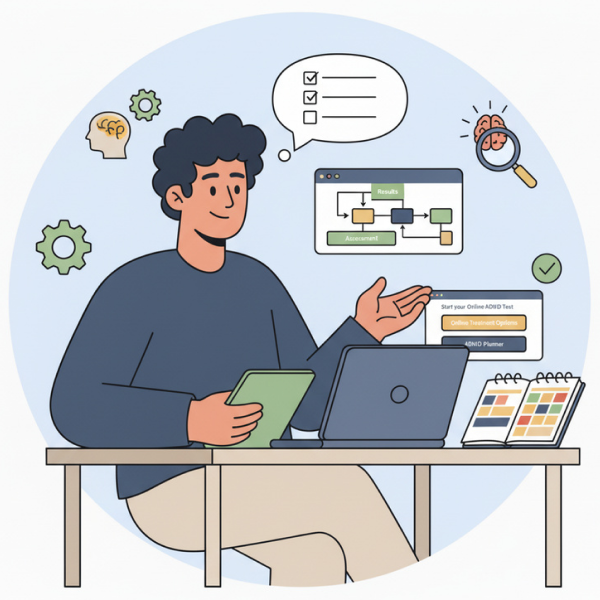
How Online ADHD Testing Can Help
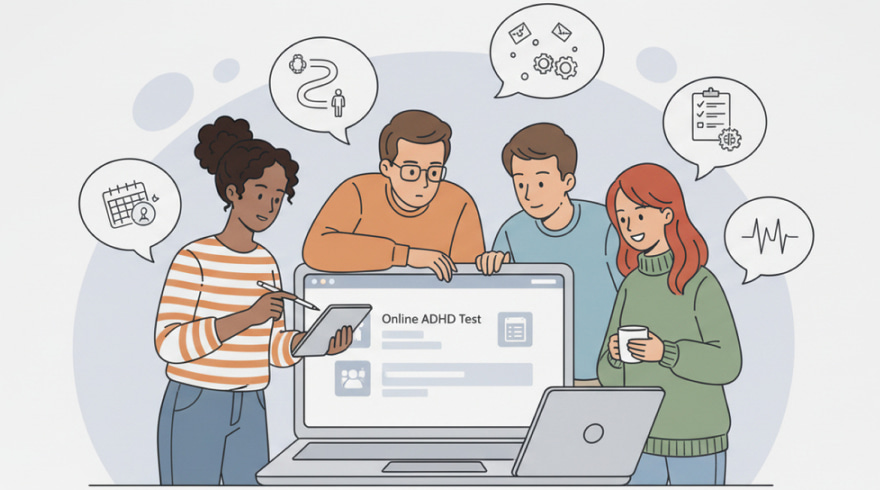
Millions of adults navigate attention, planning, and impulse-control challenges without realizing a treatable neurodevelopmental condition may be involved. Daily life can feel like juggling glass: projects slip, time disappears, and self-criticism grows louder. Before engaging a clinician, many people investigate tools that shed light on patterns, strengths, and blind spots. In this context, many users try online ADHD testing for adults to gather structured insights they can later discuss with a professional.

Digital screening has surged because it offers privacy, flexibility, and immediate context. Communities, articles, and practical resources are widely available and easy to explore between meetings or after the kids are asleep. For busy professionals, communities flourish under the banner of ADHD online, offering education and peer tips along with science-based checklists that highlight common symptom clusters.
Focus and Restlessness
Most introductory screeners ask about focus, organization, procrastination, and restlessness, presenting clear, behaviorally anchored items. Short quizzes can hint at how symptoms show up across work, home, and social settings. Most platforms provide an online ADHD test built around standardized questionnaires, which helps people recognize patterns that might otherwise be dismissed as mere personality quirks.

How Online Screenings Work and What to Expect
Digital self-assessments typically begin with a short consent screen and a reminder that results are informational, not a medical verdict. After you acknowledge those terms, you’ll see multiple-choice items tied to recognized diagnostic criteria and functional impacts across domains. After a short consent screen, you complete an ADHD test online with prompts about attention and impulsivity that you rate by frequency or severity.
| Screening Type | What It Measures | Approx. Time | Typical Output |
|---|---|---|---|
| ASRS-based checklist | Core inattentive and hyperactive-impulsive symptoms | 5–7 minutes | Symptom flags and severity bands |
| Executive function inventory | Planning, working memory, initiation, self-monitoring | 8–12 minutes | Skill profile with targeted tips |
| Functional impairment scale | Impact at work, home, relationships, driving, finances | 7–10 minutes | Domain-by-domain impact map |
| Comorbidity screener | Anxiety, mood, sleep, substance use risks | 10–15 minutes | Referral cues and watchouts |
Many services add dashboards, print-ready PDFs, and progress tracking so you can compare results over time. Some websites offer a free online test for ADHD as a first touchpoint, while others bundle screening with coaching or clinical consults. This range lets you start small, then scale toward professional guidance if your scores and lived experience align. Privacy and data stewardship matter, so look for clear statements about encryption, storage, and data-sharing practices. A robust service explains how results translate into next steps, including clinician referrals when scores are elevated. A full evaluation that results in adult ADHD diagnosis online typically requires identity verification and clinician oversight to ensure accuracy and safety.
Plan and Organize
Speed and convenience are the standout advantages: you can complete a credible screener on a lunch break without waiting months for a clinic slot. Clear wording and behavioral anchors reduce guesswork, making results easier to discuss with a partner or supervisor. To turn insight into action, many people pair results with an ADHD planner online that structures tasks and routines using timers, visual blocks, and nudge-based reminders.
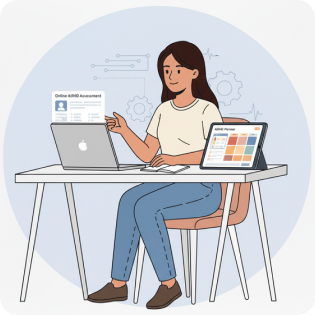
How Online Test for ADHD Reveals Patterns, Not Laziness
Self-awareness also rises when you see symptoms mapped to everyday obstacles like email overload or missed deadlines. People often discover that difficulty initiating tasks differs from laziness, and that time-blindness has recognizable patterns. Because the typical ADHD online test can be finished in minutes, the feedback loop is short, enabling reflection and early habit experiments while motivation is high.
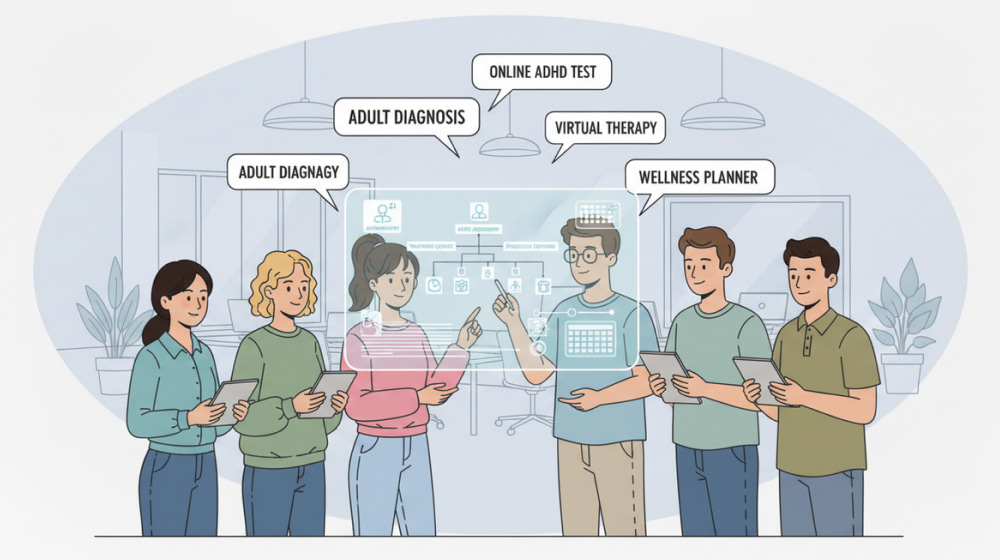
That said, checklists cannot rule out look-alike conditions or explain why symptoms began, intensified, or fluctuated. Sleep debt, trauma, thyroid issues, and depression can mimic attention problems. Only licensed clinicians can confirm an ADHD diagnosis online, and they look beyond checklists to developmental history, impairment level, and context across settings.
- StrengthLow barrier to entry and immediate, interpretable results.
- StrengthPrivacy and reduced stigma via at-home completion.
- LimitCannot substitute for a comprehensive clinical interview.
- LimitRisk of confirmation bias without collateral input.
ADHD Evaluation You Can Trust
Quality varies widely, so it helps to vet methodology, credentials, and data protections before you sign up. Transparent platforms cite the instruments they use, link to validation studies, and avoid sensational marketing. Look for services that outline how an ADHD evaluation online integrates history, impairment, and differential diagnosis so you understand how screening fits into a larger care pathway.

ADHD Screening: Understanding Limits and Privacy
Responsible providers make it easy to contact support, request deletion of records, and export your results for a clinician. They also disclose limits: a screener estimates likelihood and should not be used to start or stop medication without medical advice. A trustworthy provider explains which instruments anchor the ADHD online assessment and how results are interpreted across age, gender, and cultural contexts. Red flags include instant approvals, upsells that pressure you to buy expensive add-ons, and murky privacy policies. Another concern is exaggerated claims that promise perfect accuracy without acknowledging gray areas or coexisting conditions. Be cautious of any site that promises an instant online ADHD diagnosis without a video interview or collateral review from someone who knows your day-to-day functioning.
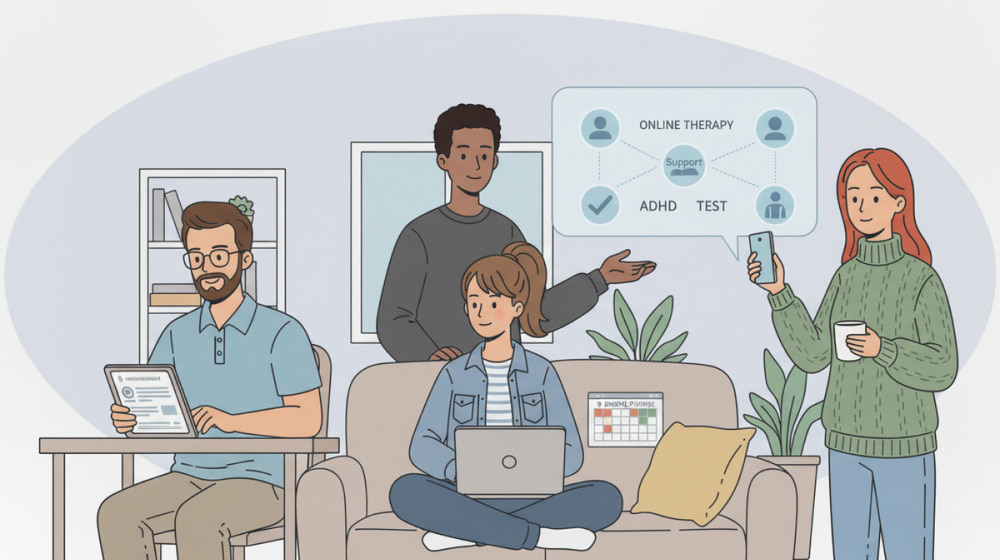
From Screening to Care
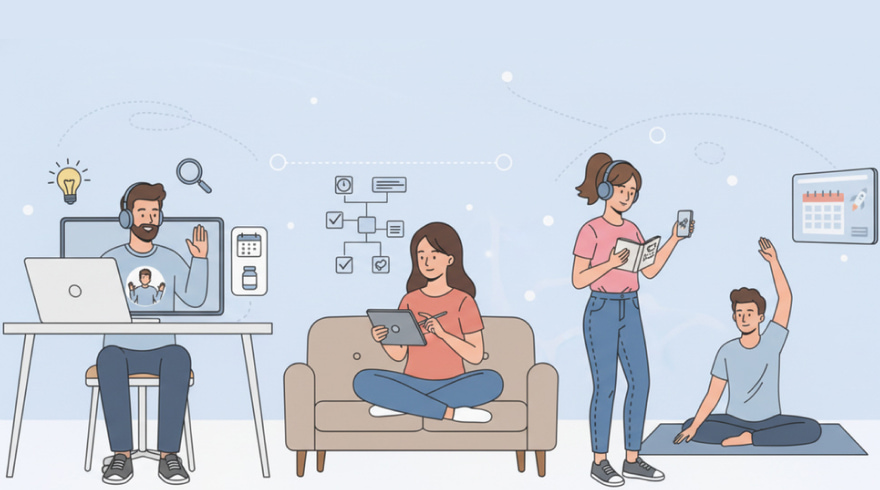
Once you have a snapshot of symptoms and impairment, the next step is a personalized plan that fits your goals and lifestyle. Many people layer structured routines onto work and home life, using checklists, cueing systems, and environmental tweaks. Depending on goals, a clinician may recommend online ADHD treatment that blends skills training with coaching and periodic outcome measures.
Medication can be effective for reducing core symptoms, though it is not a stand-alone solution for complex challenges like time management or emotional regulation. Telehealth regulations vary by jurisdiction, especially for stimulants and other controlled substances. When appropriate, controlled-substance rules govern access to ADHD medication online through telehealth with careful monitoring and follow-ups. Behavioral interventions amplify medical care by translating intentions into daily habits. Cognitive restructuring, implementation intentions, and external scaffolds help convert motivation into consistent action. Skills-based programs and online therapy for ADHD emphasize routines, cognitive strategies, and habit scaffolding that make progress sustainable over months, not just days.
- 1Check for clinician licenses and telehealth compliance by state or country.
- 2Confirm encryption standards and data retention timelines.
- 3Seek independent reviews and published outcome data.
- 4Prefer platforms that encourage collaboration with your local clinician.
Frequently Asked Questions
- Is a web screening the same as a medical diagnosis?
No. A self-check provides probability clues and talking points, while a clinician integrates history, impairment, and differential considerations to reach a formal determination.
- How accurate are the most common checklists?
Validated tools show good sensitivity and specificity in research samples, but results still require professional interpretation and context from real-world functioning.
- What should I bring to a clinical appointment after a self-check?
Bring your scored report, a timeline of symptoms, examples of functional impacts, school or work records if available, and input from someone who knows you well.
- Can lifestyle changes help while I wait for an appointment?
Yes. Start with sleep regularity, exercise, task chunking, visual timers, and environmental supports like single-task modes and calendar time-blocking.
- How do I protect my privacy when using digital tools?
Choose services with clear encryption, minimal data collection, transparent retention policies, and options to delete or export your records at any time.
The Latest News
-
![Online ADHD Test for Adults: Benefits and Next Steps]()
- 9 December, 2025
-
![A Comprehensive Guide to Online ADHD Self-Assessments for Adults]()
- 8 December, 2025
-
![Ultimate Guide to Free ADHD Self-Screening: How to Use Digital Tools Wisely]()
- 5 December, 2025

Please Note
This website (adhdonlinetest.us) is not an official representative, creator or developer of this application, or product. All the copyrighted materials belong to their respective owners. All the content on this website is used for educational and informative purposes only.