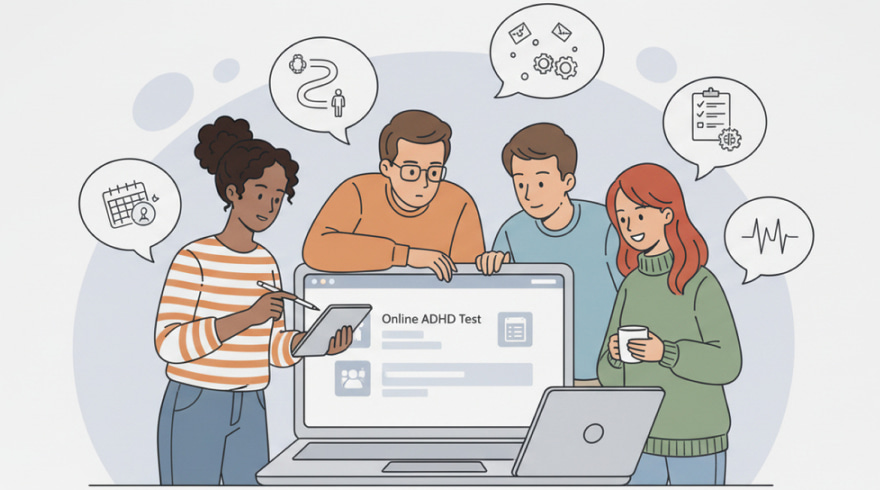
Online ADHD Treatment: A Practical, Evidence-Informed Guide for Modern Care
- 3 December 2025
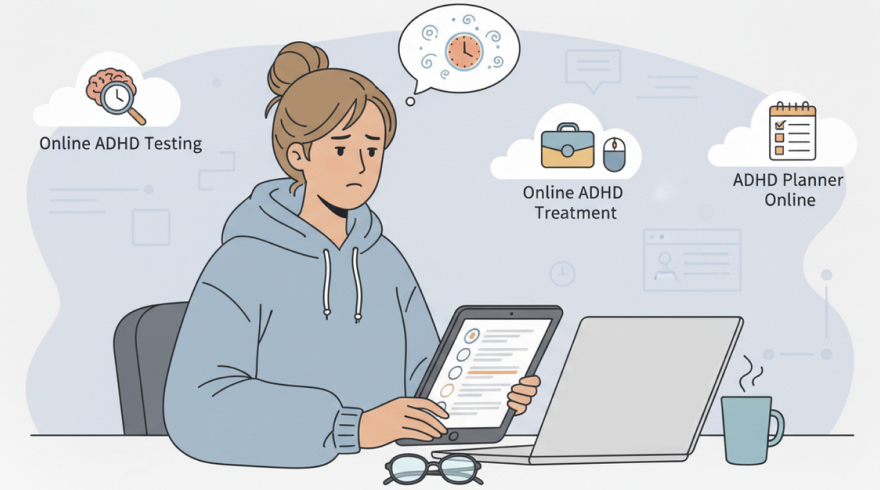
Understanding Digital Care for ADHD and Why It Works
More people are turning to remote mental health services because they can fit into complicated schedules, reduce commuting time, and extend access to qualified clinicians across regions. When attention, planning, and motivation are unpredictable, saving the logistics of travel can be the difference between staying engaged and dropping out. Virtual platforms also let patients track progress with real-world data from their day, creating a richer picture than what fits into a brief clinic visit. Combined with secure messaging and structured programs, this ecosystem helps people build steady habits while staying connected to support.
Once someone learns how digital visits work, the flexibility can feel liberating, especially for adults juggling family and work. Many services integrate psychoeducation, coaching, and medical consultation into one continuous experience that evolves through life changes. In these programs, screening tools, symptom journals, and shared care plans streamline follow-up so you can focus on actions that move the needle. For readers considering options, it helps to remember that clinical quality comes from the people and protocols behind the screen, not the screen itself, which is why vetting matters with online ADHD treatment in mind.
Beyond convenience, virtual care can reduce stigma because help arrives through a private, familiar device. Digital platforms also enable caregivers and partners to participate more easily when appropriate, which strengthens support and adherence. Hybrid models pair periodic in-person exams with virtual visits to keep care grounded in best practices while minimizing disruption to daily routines. Many patients report that customized digital reminders, reflection prompts, and bite-sized lessons build momentum between sessions, which supports measurable improvement with ADHD online treatment as part of a broader plan.
- Lower friction to schedule and attend sessions
- Continuous assessment through trackers and check-ins
- Privacy and discretion for sensitive conversations
- Increased participation from family or partners when helpful
How Remote Evaluation, Follow-Up, and Care Navigation Actually Work
A typical journey begins with an intake that gathers history, current challenges, goals, and previous interventions. Standardized rating scales are completed by you and, when relevant, by someone who knows you well, because multiple perspectives improve accuracy. The clinician then synthesizes interview data with questionnaires and functional examples, looking for patterns across school or work, relationships, and daily routines. If medical evaluation is appropriate, you may also review comorbidities, sleep, substance use, and other health factors because these can mimic or amplify symptoms, which ensures you receive a tailored plan rather than a one-size-fits-all label.
After the initial evaluation, platforms offer structured visit schedules that alternate deeper therapeutic sessions with shorter check-ins. Patient portals typically include symptom graphs, task lists, and habit-building frameworks that translate insights into repeatable behaviors. Between sessions, messaging threads capture changes and questions so adjustments happen quickly instead of waiting weeks. This continuous loop makes it easier to maintain momentum, especially during stressful weeks at work or at home, and it helps you stay aligned with long-term goals while using ADHD treatment online as one component in your toolkit.
| Step | What Happens | Why It Matters |
|---|---|---|
| Intake & History | Review symptoms, timelines, and functional impact | Builds a comprehensive baseline for decision-making |
| Screening Tools | Complete validated questionnaires and gather observer input | Improves diagnostic accuracy with multiple data points |
| Clinical Interview | Explore patterns, strengths, and co-occurring issues | Distinguishes ADHD from look-alike conditions |
| Treatment Planning | Combine therapy, skills training, and medication if indicated | Personalizes care around goals and lifestyle |
| Follow-Up & Tracking | Monitor progress with metrics and adjust as needed | Ensures iterative, measurable improvement |
Medication consults, when warranted, typically involve shared decision-making, education on benefits and risks, and safety monitoring. Many platforms include secure e-prescribing and refill coordination, which reduces delays and disruptions at the pharmacy. Skill-focused sessions target planning, initiation, and emotional regulation through structured exercises that translate into daily routines. People balancing careers and caregiving responsibilities often appreciate that appointments can shift with changing schedules, which minimizes missed visits and supports continuity within online adult ADHD treatment programs that are designed to adapt.
Benefits, Outcomes, and Real-World Advantages of Digital ADHD Care
When designed around evidence-based protocols, remote programs can rival traditional clinics on engagement, satisfaction, and outcomes. The ability to collect data between visits supports timely adjustments so small problems don’t become big setbacks. Longitudinal dashboards clarify what’s improving and what needs attention, which helps keep everyone focused on the same goals. In addition, transparent communication channels allow for micro-Interventions in the moment instead of waiting until the next scheduled session, creating a steady cadence of interaction that sustains progress over months.
Flexibility also reduces attrition, a critical advantage because consistency beats intensity in behavior change. Patients frequently highlight the value of personalized reminders, work-friendly scheduling, and access to educational libraries that demystify the science of attention. Coordination with primary care and specialty clinicians becomes smoother when information flows through secure portals that centralize documentation. This orchestration can be especially helpful when you want a single hub for tasks, messages, and lab results, which is often an overlooked win with ADHD diagnosis and treatment online available through integrated systems.
Outcomes improve further when programs blend therapy, coaching, and practical tools. Skills like time-blocking, cue-stacking, and distraction-proofing your environment compound over time, and they pair well with monitoring to keep improvements visible. Many people find that CBT-based strategies for procrastination and emotional regulation translate directly to career milestones and relationship stability. The cumulative effect is a lifestyle built around repeatable habits that work with your brain rather than against it, which strengthens long-term success under online ADHD diagnosis treatment frameworks that emphasize measurement.
- Greater access to specialists across geographic boundaries
- Reduced time and cost burdens from travel and waiting rooms
- Transparent progress tracking with actionable metrics
- More touchpoints between formal appointments
How to Choose a High-Quality Online ADHD Provider
Start by examining clinical credentials, including licensure, specialization, and experience with adult presentations if that is your need. Look for programs that publish their care models, outline informed consent clearly, and describe how they coordinate with your other clinicians. Safety protocols should include medication monitoring when indicated, clear communication pathways, and escalation procedures. A platform that shares outcome measures and patient-reported metrics demonstrates accountability and aligns with modern quality standards.
Technology matters too, but only in service of the therapeutic relationship and clinical quality. Verify that video sessions are secure, data is encrypted, and messaging is protected under relevant privacy laws. Ask whether the service supports collaboration with therapists, prescribers, and coaches as a cohesive team. You’ll also want clarity on scheduling flexibility and cancellation policies so you can maintain momentum without penalty, which is especially important when comparing programs that market ADHD treatment for adults online across different regions.
Transparent pricing, clear medication policies, and access to educational resources are additional signals of quality. A reliable provider will welcome questions about their diagnostic approach and how they personalize plans. Ideally, you’ll see structured frameworks for skills training paired with systematic follow-ups to verify improvement over time. This level of openness reflects a culture of measurable care that tends to produce better experiences, particularly if you’re seeking a service promoted as the best online ADHD diagnosis and treatment for your situation.
- Check clinician licensure and specialty training
- Confirm security, encryption, and privacy standards
- Review outcome tracking methods and escalation plans
- Assess scheduling flexibility and support responsiveness
Cost, Access, Privacy, and What to Expect Financially
Pricing models vary widely, from pay-per-visit to membership plans that bundle messaging, assessments, and periodic check-ins. Insurance coverage depends on your location, your plan, and the provider’s network status, so it’s wise to verify benefits before your first appointment. Some employers offer mental health stipends or health savings accounts that can offset out-of-pocket costs. To optimize value, look for programs that integrate educational content and tools you’ll actually use, since these resources can reduce the number of sessions needed to reach your goals.
For many people, the biggest savings come from fewer missed work hours and no travel expenses. Another underrated cost advantage is continuity; when care is easier to attend, you avoid the costly cycle of restart and repeat assessments. Privacy protections should be spelled out in plain language, including how data is stored, who can access it, and how you can download your records. Bundled services are especially convenient when you need streamlined entry points, which is one reason people gravitate to platforms offering online ADHD testing and treatment within a single portal.
Ask providers about cancellation windows, refill timelines, and turnaround time for messages, because these policies materially affect your experience. Clarify whether medication management is included and how often you’ll have follow-ups to ensure safety and effectiveness. If you’re paying cash, request itemized receipts for potential reimbursement or tax purposes. People seeking maximum value often compare performance dashboards, education libraries, and coaching access, which can be decisive features when evaluating what claims to be the best online ADHD treatment in a crowded marketplace.
- Verify coverage with your insurer and ask about telehealth parity
- Compare membership versus per-visit pricing structures
- Request clear data policies and download options
- Estimate indirect savings from time and travel reduction
Evidence-Based Strategies, Daily Tools, and Long-Term Skill Building
Effective care blends structured therapy with practical routines that fit the way your brain works. Cognitive behavioral approaches can target procrastination, cognitive overload, and emotion-driven decision-making, while skills training focuses on planning and initiation. Habit frameworks that pair environmental cues with micro-actions often outperform willpower alone, particularly when combined with visual schedules and timeboxing. Coaching can help convert intentions into small, repeatable steps that accumulate into reliable systems over weeks and months.
Digital aids can amplify these strategies with timers, automation, and context-aware reminders. Many patients benefit from “closing rituals” that wrap up the workday and prepare for tomorrow, along with weekly reviews that recalibrate priorities. When you track a handful of meaningful metrics, sleep, energy, task starts, you generate feedback loops that sustain motivation. This structure shines inside coordinated programs that emphasize measurable progress over guesswork, which is a hallmark of comprehensive ADHD online diagnosis and treatment delivered through integrated care models.
Long-term success also depends on lifestyle pillars: consistent sleep, movement, nourishing meals, and supportive relationships. Small improvements in each area can reduce friction and free up attention for what matters most. As you gain traction, revisit your systems and prune steps you no longer need, because simpler workflows are easier to sustain. People who shop carefully can find strong value in programs that package high-quality care with transparent pricing, which helps budget-minded patients stay engaged through affordable ADHD treatment online without compromising clinical standards.
- Use visual timeboxes and environmental cues to jumpstart tasks
- Adopt weekly reviews and closing rituals for consistency
- Track a small set of meaningful progress indicators
- Iterate systems until they become effortless
FAQ: Common Questions About Online ADHD Treatment
How accurate are virtual ADHD evaluations compared with in-person assessments?
When conducted by licensed clinicians using validated tools and multi-informant input, virtual assessments can be comparable in accuracy to traditional visits. The key ingredients are thorough history-taking, standardized rating scales, and careful differential diagnosis. Hybrid options that include an occasional in-person check can add medical depth without sacrificing convenience.
Can online providers prescribe medication, and how is safety managed?
In many regions, qualified prescribers can initiate and manage medication through secure telehealth platforms, subject to local regulations. Safety is supported by informed consent, education on risks and benefits, follow-up monitoring, and collaboration with primary care when needed. Clear refill policies and prompt message responses are essential parts of responsible stewardship.
What kinds of therapy or coaching are offered through digital platforms?
Common modalities include cognitive behavioral therapy, skills-based coaching, and executive function training focused on planning, initiation, and emotional regulation. Programs often combine structured sessions with digital tools like task boards, timers, and progress dashboards to translate insights into daily action. The best results come from a tailored blend of approaches linked to measurable goals.
How do I know if a provider is reputable and secure?
Verify licensure, training, and experience in your state or country, then look for transparent care models and outcome tracking. Read the privacy policy carefully to ensure encryption, secure storage, and clear access controls. Reviews from independent sources and recommendations from your primary care clinician can also guide your choice.
Will online care work if my schedule is unpredictable?
Flexible scheduling, asynchronous messaging, and brief check-ins make it easier to maintain continuity during busy weeks. Many platforms allow you to shift appointments without long delays, and self-paced educational resources keep progress moving between visits. Consistency improves when accessing care is as simple as opening your phone or laptop.
Latest News
-
![Online ADHD Test for Adults: Benefits and Next Steps]()
- 9 December, 2025
-
![A Comprehensive Guide to Online ADHD Self-Assessments for Adults]()
- 8 December, 2025
-
![Ultimate Guide to Free ADHD Self-Screening: How to Use Digital Tools Wisely]()
- 5 December, 2025